
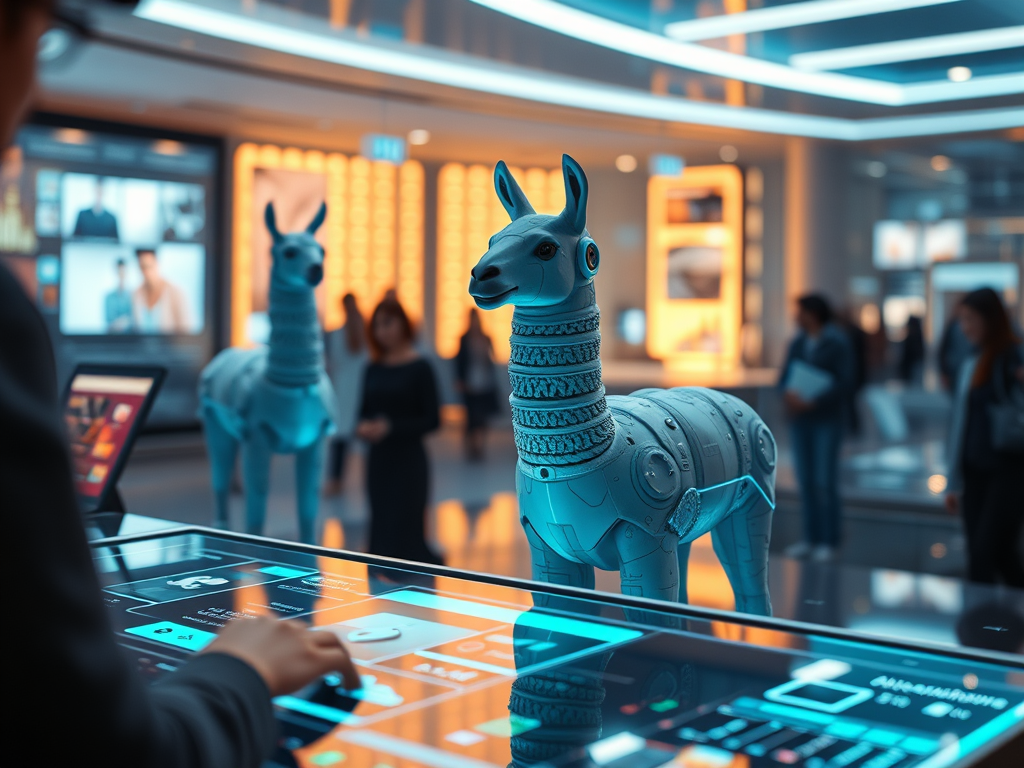
The next major shift in AdTech is no longer happening inside browsers or identity graphs. It is unfolding inside AI models. And Meta just accelerated the race. In late 2024, the company confirmed plans to introduce advertising capabilities into its generative AI products, including tools built on the Llama ecosystem. This is not a small experiment. It is a structural move that places Meta in direct competition with Google’s Gemini ecosystem and Amazon’s fast-growing AI-driven ad stack.
For the first time, ads are becoming native to AI assistants, AI search, and AI-generated content flows. And the implications are profound.
Meta positions Llama as the open alternative
Meta’s Llama models have already become the most widely adopted open large language models in the market. Developers use them across retail, media, health, fintech, and creative industries. According to WSJ and TechCrunch, Meta’s strategy is simple but bold: make Llama the “Android of AI” — open, flexible, and available everywhere.
The next step is monetization.
Meta’s upcoming AI ad products will allow developers and brands to integrate ads directly into AI experiences built on Llama. That means chat flows, creative tools, recommendation assistants, and vertical AI apps could soon carry native Meta-served messaging.
This is the first time a major platform attempts advertising inside an open-source AI ecosystem.
The competitive landscape shifts overnight
Google already tests ads inside Gemini-powered answers across Search and Workspace. Amazon integrates product placements and sponsored items into AI shopping tools inside its app. Both companies keep tight control over their ecosystems.
Meta is doing the opposite.
It is opening the pipes.
By enabling ads in third-party Llama apps, Meta instantly extends its network reach far beyond Facebook, Instagram, and WhatsApp. It gains access to thousands of niche AI apps that already have loyal audiences. Many of these apps never had a scalable monetization stack.
As AdAge reported, advertisers are watching closely because this move gives Meta an advantage in inventory growth at a time when platforms reach saturation.
A new frontier: ads inside generative experiences
The most disruptive part is not the size of the network. It is the new ad formats.
Meta is experimenting with:
- AI-contextual ads based on conversation intent
- Generative creative placements inside AI-produced text or images
- Sponsored AI suggestions in shopping or decision flows
- AI-generated performance creatives refreshed in real time
This is not fantasy.
It is the same logic that powers Google’s Search Generative Experience ads, now translated into the open-source world.
Industry analysts from Campaign and Variety note that generative ads may be the biggest creative shift since programmatic banners. They blend into the experience, respond to intent, and can adapt their content dynamically.
For advertisers, it promises reach plus relevance.
For regulators, it raises new transparency questions.
Developers gain a new revenue engine
Beyond advertising strategy, Meta is solving another problem: how to help developers monetize AI apps built on open models. Most of these businesses rely on subscriptions or usage-based billing. Ad revenue is a missing layer.
Meta plans to share revenue with developers that adopt its AI ad SDKs.
This mirrors the early Facebook Platform era, when app makers grew rapidly because the economics finally made sense.
If Meta executes this well, it may create the first decentralized AI ad network at scale.
Why this matters for the AdTech ecosystem
This is not just another product launch.
It is a turning point for the industry.
- AI becomes a media channel
AI assistants shift from utilities to inventory channels.
That means new budgets and new measurement standards. - Open ecosystems challenge walled gardens
Llama-powered apps could fragment the market, creating a more diverse media landscape outside tightly controlled platforms. - Creative production gets automated
Generative ads will reduce production cycles from weeks to seconds.
Agencies must rethink their workflows and value propositions. - Regulators will step in
Sponsored AI suggestions will demand new labeling rules, similar to influencer and native ad disclosures. - Identity becomes context-driven
If AI environments rely less on third-party identifiers, contextual and behavioral signals will dominate again.
The shift resembles the early mobile era — chaotic, full of opportunity, and reshaping power structures.
Conclusion: a new race begins
Meta’s AI Ads Expansion is more than a monetization strategy. It is a strategic strike in the early war for AI media dominance. Google, Amazon, and TikTok will not stay still. Agencies are preparing for new creative formats. Retailers want to integrate their product feeds. Brands see a chance to reach consumers in high-intent AI conversations.
The next era of advertising will not live on social feeds or banners.
It will live inside the intelligence layer that guides daily decisions.
And the companies that shape that layer will define the next decade of AdTech.


Leave a Reply