
Why 2026 Feels Like a Creative Reset
2026 is not just another year for advertising. It’s a crossroad. On one side: advanced tools, AI-driven workflows, fast media cycles. On the other — a hungry audience craving authenticity, diversity, and real emotion. For creatives, brands and agencies — this moment feels like the creative world was rebooted overnight.
Audiences now see right through slick but hollow ads. They value human flaws, cultural resonance, honest visuals. So the new challenge: create work that feels alive, not algorithmic.
What’s Changing: Key Creative Trends of 2026
Raw Human Aesthetic Meets Tech Precision
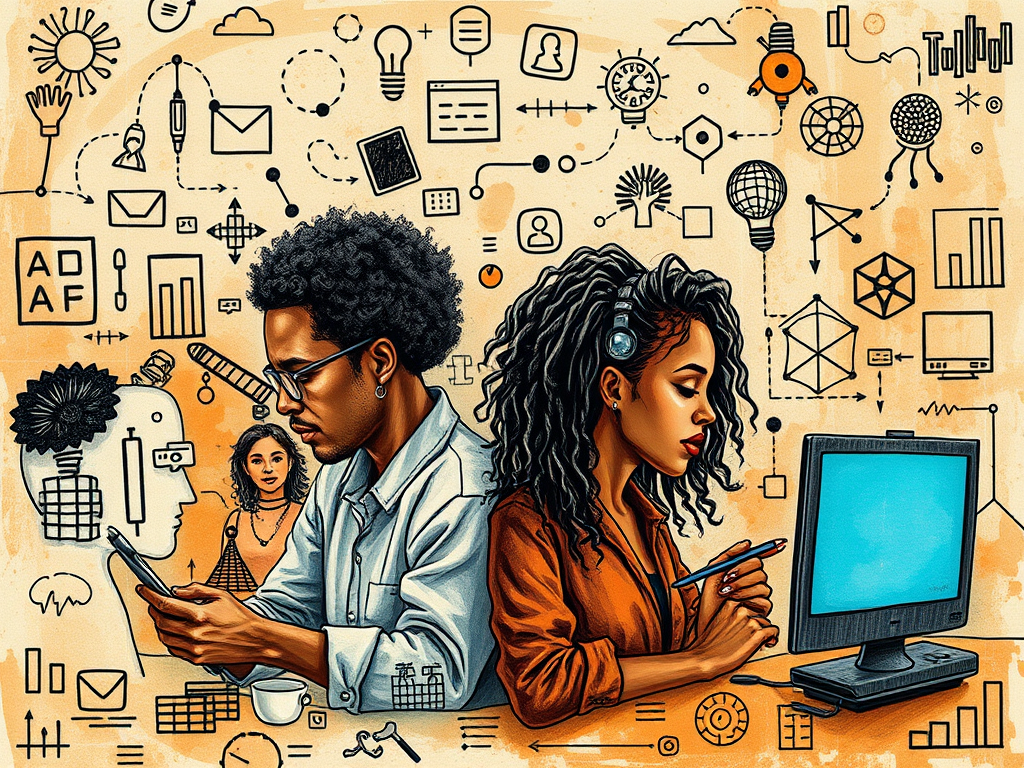
This year, we see a rise of deliberately imperfect visuals: hand-drawn textures, doodles, raw photography, organic layouts — visuals that feel human and alive. That trend mirrors the findings of the 2026 design-trend forecasts.
At the same time, artificial intelligence and generative tools remain core to creative workflows. Up to 46% of marketers now use AI to scale creative production, and 33% apply AI across creative, media and measurement.
The result: a unique hybrid. Campaigns that combine the soul of hand-crafted art and the speed and breadth of AI — a delicate dance between human messiness and machine precision.
Inclusion, Cultural Fluency and Real Voices
Audiences in 2026 expect more than polished diversity. They demand real representation — on screen and behind the lens. In its 2026 forecast, a major insight firm noted that inclusive programming, authentic representation and cultural fluency are now essential.
Brands that lean into inclusion not as a marketing angle — but as a core identity — are winning trust and attention. The message: creative campaigns must reflect real lives, real communities, real voices.
Brands Behaving Like Creators: Content Over Campaigns
The era of one-off bold campaigns is fading. Instead, brands behave more like creators, delivering ongoing content that feels native — educational, entertaining or emotionally resonant.
This means more series, more behind-the-scenes, more authentic narratives. Long-term consistency now matters more than flashy bursts. Creativity becomes not just about visuals but about building trust over time.
Creative Strategy + Product Mindset
In 2026, many marketers evolve into hybrid roles: part creative strategist, part product manager. They shape not only the look and feel of campaigns, but also the entire customer experience — from ideation to distribution.
That means creative decisions tie directly into business goals, product design, and user needs. Creativity is no longer a luxury — it’s a core component of strategy and growth.
What This Means for Creatives, Brands and Agencies
- For Creatives: Your craft must evolve. Learn to mix organic, human-rooted styles with AI tools. Celebrate imperfection, embrace authenticity. Human touch becomes your competitive edge.
- For Brands: Build trust through consistent creative stories. Prioritize representation and cultural fluency. Think long-term — not just about the next sale, but about lasting relevance.
- For Agencies & Marketers: Evolve your roles. Blend creative thinking with strategic product-level awareness. Be ready to deliver campaigns that feel less like ads and more like lived experiences.
Conclusion — 2026: A Creative Compass for the Future
2026 signals less of a trend wave — and more of a creative compass pointing to what matters next: humanity, authenticity, purpose.
The future belongs to brands and creators who can balance scale and soul. Who see AI not as a replacement, but as a collaborator. Who remember that behind every click and metric is a human being seeking connection.
In 2026, creativity will not only win attention. It will win trust.


Leave a Reply