
A New Marketing Paradox
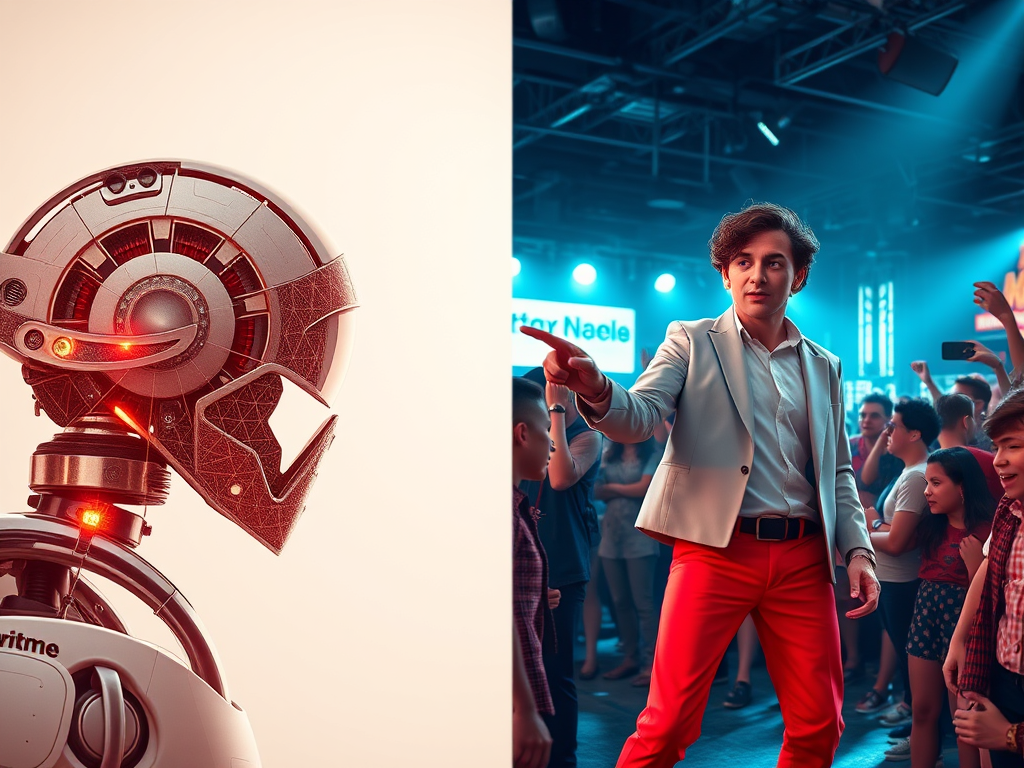
Marketing stood at an inflection point in the final days of 2025. On the one hand, brands poured energy and budget into AI-driven campaigns. On the other, audiences and analysts pushed back. The result is a paradox: technology promises efficiency, but consumers are signaling they want more humanity.
In the past week, several major stories crystallized this tension. AI-generated ads from top brands sparked controversy. Meanwhile, an unorthodox film campaign reminded the industry why creativity still matters in a crowded digital landscape. These developments suggest marketers need both tech and tact to win today.
AI Backlash: What Happened and Why It Matters
In late 2025, multiple established brands faced public criticism for AI-generated advertising. Campaigns by names like McDonald’s, Coca-Cola, H&M, and Guess drew negative reactions when their AI visuals sidelined real people and authentic storytelling. Audiences described the work as emotionally hollow even when it delivered strong engagement metrics. Business Insider+1
This trend has big implications for brand strategy. Marketers have been deploying generative tools to scale creative output and reduce costs. But when AI replaces human nuance entirely, consumer trust can erode. The backlash highlights an important truth: relevance and resonance still trump novelty in brand communication.
The Boston Institute of Analytics noted that this wasn’t simply dislike of technology. Viewers reacted to the loss of human elements in storytelling. People want real voices, real stories, and real faces. This matters because trust—once built—drives loyalty and long-term value beyond immediate engagement. Boston Institute of Analytics
Creativity Still Wins: The Marty Supreme Effect
At the same time, one of the season’s most talked-about marketing stories came from outside traditional brand playbooks.
The film Marty Supreme, fronted by Timothée Chalamet, launched a campaign that looked nothing like a typical movie rollout. Chalamet donned a ping-pong ball helmet, danced in public spaces, and led pop-up events that turned promotion into performance art. The campaign lived on social feeds, in public spaces, and in conversation long before the film opened. Business Insider
Critics and marketers alike identified this effort as more than stunt-driven hype. It demonstrated something vital: audiences reward originality and emotional connection. In an age of algorithmic optimization, Marty Supreme’s buzz was born from unpredictability, experience, and shared moments.
For brands, especially those struggling to cut through digital noise, this campaign offers a lesson. Creativity remains a competitive advantage when it feels human and participatory.
What Strategists Are Taking Away
These two stories—AI backlash and the Marty Supreme campaign—are not contradictions. They are complementary signals about where brand marketing is headed:
- Human relevance matters. As AI becomes common, authenticity becomes rarer. Consumers recognize genuine human expression.
- Creativity as culture. Audiences don’t just consume; they participate. Campaigns that invite interaction or surprise outperform passive ads.
- Tech must serve strategy. AI can scale production and personalization. But without strategic context and real human insight, it risks alienating the very people brands seek to engage.
Industry leaders like those quoted in Marketing Dive and other outlets argue that integration—rather than replacement—is the future. Marketers who blend automation with human-centered storytelling will be best positioned in 2026 and beyond.
Conclusion: Towards a Balanced Marketing Future
The latest news around AI backlash in marketing highlights a growing realization: efficiency cannot replace emotional resonance.
As brands plan for the new year, the smartest strategy will be one that marries the power of technology with the empathy of human creativity. This balance may well define the most memorable and impactful campaigns of 2026.
In a world where tools can write, generate, and automate, the value of saying something real and meaningful has never been higher. The marketers who remember that will shape the future of branding.


Leave a Reply