
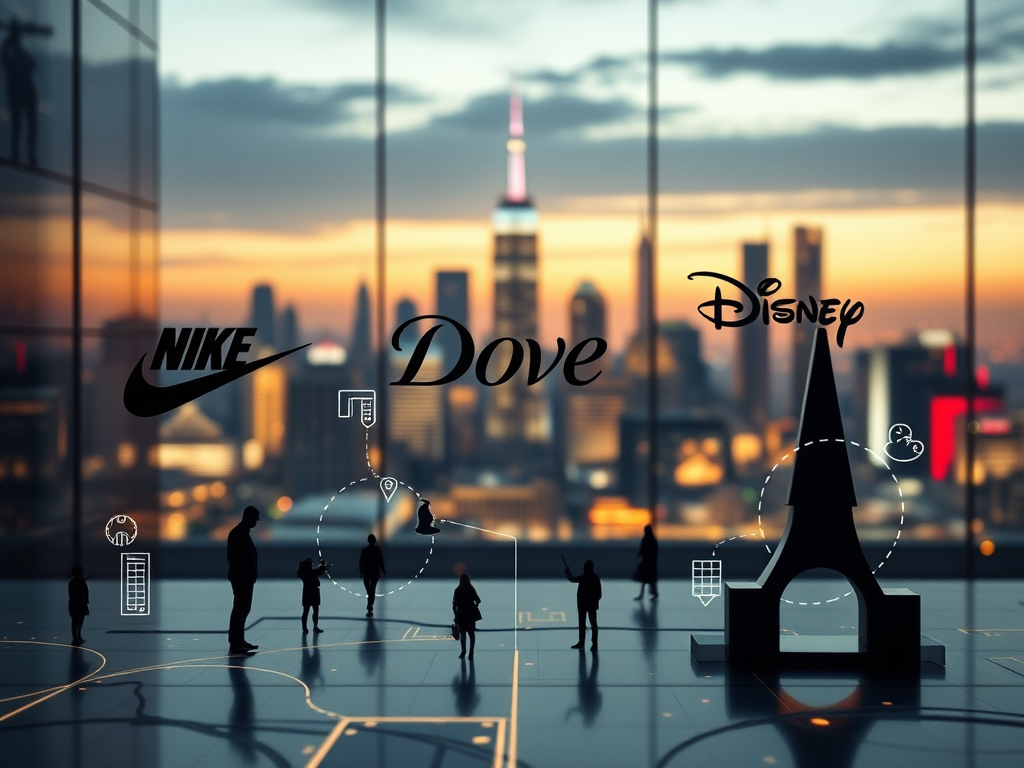
Over the past week, global advertising headlines were dominated by structural shifts rather than creative spectacle. Publisher lawsuits, AdTech consolidation, and the growing dominance of CTV reframed how power flows through the industry. Against that backdrop, brand behavior became more revealing. The strongest signals did not come from bold new campaigns, but from how established brands reinforced stability, trust, and long-term positioning at a moment when the media ecosystem itself feels less predictable.
Nike signals durability over disruption
Recent coverage in outlets like AdAge and Business Insider has highlighted how major platforms are consolidating influence and narrowing access to premium reach. In that environment, Nike continues to move cautiously and deliberately. Its recent brand activity, discussed in Western marketing commentary, leans further into everyday movement, emotional connection, and lifestyle relevance rather than high-performance provocation. This softer tone aligns with a broader market signal: when distribution becomes more concentrated and media costs rise, brands benefit from messages that age well. Nike’s choice to avoid sharp creative pivots suggests a focus on cultural durability, not short-term amplification, a strategy that mirrors the industry’s shift toward fewer, more stable platforms.
Dove reinforces trust as attention becomes scarcer
As publishers publicly challenge the economics of the open web, trust has become a central currency for brands. Dove continues to invest in that currency through repetition rather than reinvention. Industry analysis in Marketing Week has repeatedly pointed to Dove’s Real Beauty platform as an example of long-term brand discipline. This week, that consistency feels particularly relevant. In a market where algorithms, inventory access, and monetization models are under scrutiny, Dove’s predictable message around realism and body confidence lowers friction with audiences. The brand does not rely on platform mechanics to create meaning. It carries its meaning with it, wherever it appears.
Disney mirrors AdTech’s turn toward control
One of the clearest links between brand behavior and broader industry news appears in how Disney continues to frame advertising. As CTV platforms gain leverage and reduce reliance on open exchanges, Disney positions its ad business as curated, selective, and relationship-driven. This language closely mirrors what AdTech players are signaling through consolidation and tighter integrations. Coverage in publications like Variety and Digiday has emphasized that premium environments are becoming more controlled, not more open. Disney’s brand posture reflects that reality. Advertising is presented not as scalable inventory, but as a premium association, reinforcing the idea that fewer partners, deeper alignment, and higher standards are the future of media monetization.
What ties these brand signals to the news cycle
These brand moves are not happening in isolation. They echo the same forces reshaping AdTech and media over the past week: concentration of power, pressure on margins, and a renewed focus on trust. As platforms consolidate and new environments like conversational AI explore monetization, brands that project stability gain an advantage. Nike, Dove, and Disney are not reacting loudly to the news cycle. They are aligning quietly with its direction.
The takeaway
This week’s brand signals suggest that confidence in advertising is becoming quieter and more structural. Global brands are reinforcing who they are instead of experimenting with who they might be. In a market defined by consolidation, legal pressure, and changing media economics, that restraint is not passive. It is strategic. The brands that stand out right now are not chasing attention. They are positioning themselves to remain credible as the industry around them continues to reset.


Leave a Reply