
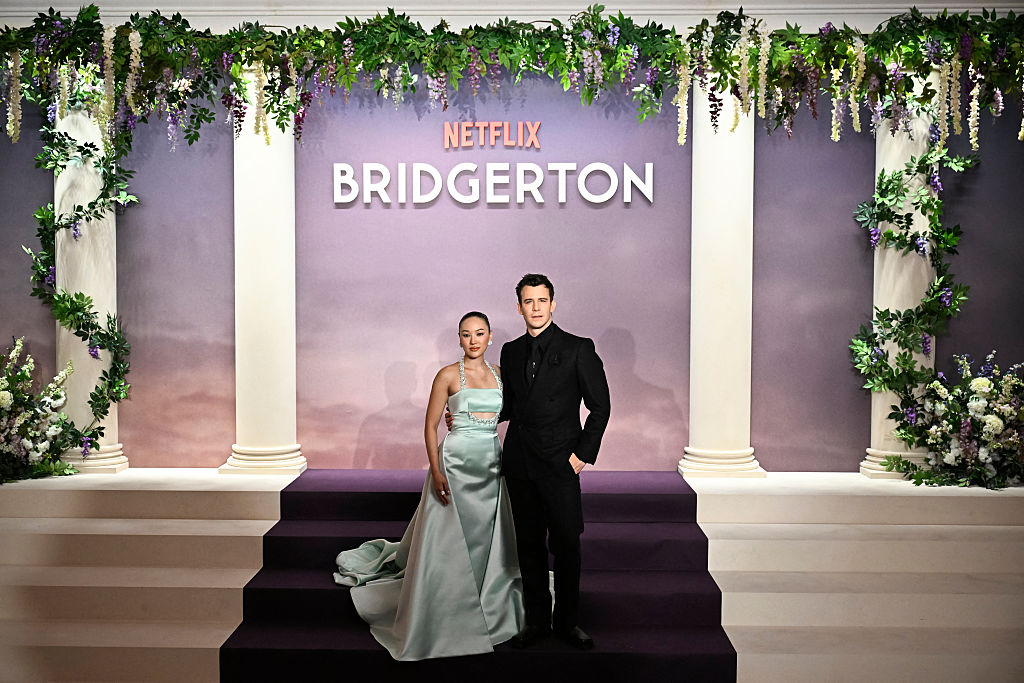
When a Series Becomes a Cultural Stage
When Bridgerton returned on January 29, 2026, it arrived not simply as a new season of television, but as a fully formed cultural moment. By now, the series operates less like a show and more like a shared aesthetic language—one that brands actively step into to borrow its emotional codes, visual richness, and global reach.
Season 4 made this evolution unmistakable. In the days surrounding its release, Bridgerton became the gravitational center for a carefully aligned set of brand collaborations, each extending the show’s world into beauty, jewellery, fragrance, and food. The result was not a clutter of sponsorships, but a cohesive ecosystem of partnerships that felt intentional, restrained, and deeply attuned to the series’ tone.
The Brands That Stepped Into the Ballroom
Rather than anchoring the season to a single dominant sponsor, Netflix allowed multiple brands to orbit the Bridgerton universe, each translating its themes through a distinct lens.
Pandora leaned into the show’s romantic symbolism with a Bridgerton-inspired jewellery collection. Drawing on motifs of love, legacy, and personal storytelling, the pieces echoed Regency elegance while remaining unmistakably modern. The collaboration framed jewellery not as costume, but as a contemporary expression of sentiment—an extension of the show’s emotional vocabulary.
Dove approached the partnership from a different angle. Its campaign reframed Bridgerton’s world of social scrutiny and reputation through the lens of modern self-confidence. Rather than replicating period styling, Dove used the setting to reinforce its long-standing message around authenticity and real beauty, allowing the narrative to do the cultural work while the brand delivered relevance.
Fragrance brand Floral Street offered one of the most sensorial extensions of the season with a limited-edition scent inspired by the masquerade aesthetic that defines key moments in Season 4. The launch invited audiences to experience Bridgerton beyond the screen, transforming narrative mood into something tactile and personal.
The partnerships did not stop at prestige categories. General Mills, through Betty Crocker and Pillsbury, translated the show’s culture of gatherings and ritual into Regency-inspired baking mixes. By doing so, the brand connected Bridgerton to modern watch-party behaviour, turning viewing into a shared domestic experience rather than a solitary one.
Each collaboration stood on its own. Together, they formed a recognisable pattern.
Why These Brands Fit the Bridgerton World
What unites these brands is not category, but emotional alignment. Bridgerton occupies a rare space in contemporary culture: aspirational without being distant, romantic without nostalgia, escapist yet socially fluent. It allows brands to borrow atmosphere rather than spectacle.
Crucially, none of the partnerships relied on overt branding. Instead, they embedded themselves into themes already present in the narrative—desire, identity, ritual, and visibility. The result was adjacency rather than interruption.
This is why the collaborations felt additive, not extractive.
Hooks Built for a Post-Campaign Era
Season 4’s brand strategy reflects a broader shift in entertainment-led marketing. The most effective tie-ins are no longer about one-off awareness spikes. They are designed around three structural hooks: narrative resonance, lifestyle extension, and cultural timing.
By aligning launches with episode drops, fan discourse, and visual motifs already circulating online, these brands ensured their presence felt native to the moment. Products did not compete with the story. They continued it.
A Blueprint for Culture-Led Marketing
The lesson of Bridgerton Season 4 is not that every brand needs an entertainment collaboration. It is that the right collaborations require discipline. Shared values matter more than scale. Context matters more than visibility.
In an era where audiences are increasingly resistant to overt advertising, Bridgerton demonstrates how entertainment IP can function as a cultural framework—one that multiple brands can inhabit simultaneously without diluting meaning.
The ballroom may belong to Bridgerton. But the brands that chose to dance within it understood something essential: relevance today is earned by entering culture quietly, confidently, and in step with the music.
And that is a marketing lesson worth remembering long after the final episode fades to black.
Sources
Bridgerton Season 4 release
- Netflix Tudum / Press: https://www.netflix.com/tudum/articles/bridgerton-season-4-release-date
Pandora x Bridgerton collaboration
- Pandora official announcement:
https://www.pandora.net/en-us/discover/pandora-world/bridgerton - Vogue Business on Pandora’s entertainment-led strategy:
https://www.voguebusiness.com/companies/pandora-entertainment-collaborations
Dove x Bridgerton campaign
- Marketing Dive — Dove Finds Real Beauty in Bridgerton:
https://www.marketingdive.com/news/dove-bridgerton-campaign-real-beauty/ - AdAge on Dove’s brand platform evolution:
https://adage.com/article/marketing-news-strategy/dove-real-beauty-campaigns/
Floral Street Bridgerton fragrance
- Cosmetics Business — Floral Street unveils Bridgerton-inspired fragrance:
https://www.cosmeticsbusiness.com/floral-street-bridgerton-fragrance - Floral Street official product page:
https://www.floralstreet.com/collections/bridgerton
General Mills (Betty Crocker & Pillsbury) x Bridgerton
- TrendHunter — General Mills x Bridgerton baking collaboration:
https://www.trendhunter.com/trends/general-mills-x-bridgerton - General Mills press release:
https://www.generalmills.com/news/bridgerton-baking-collaboration


Leave a Reply