
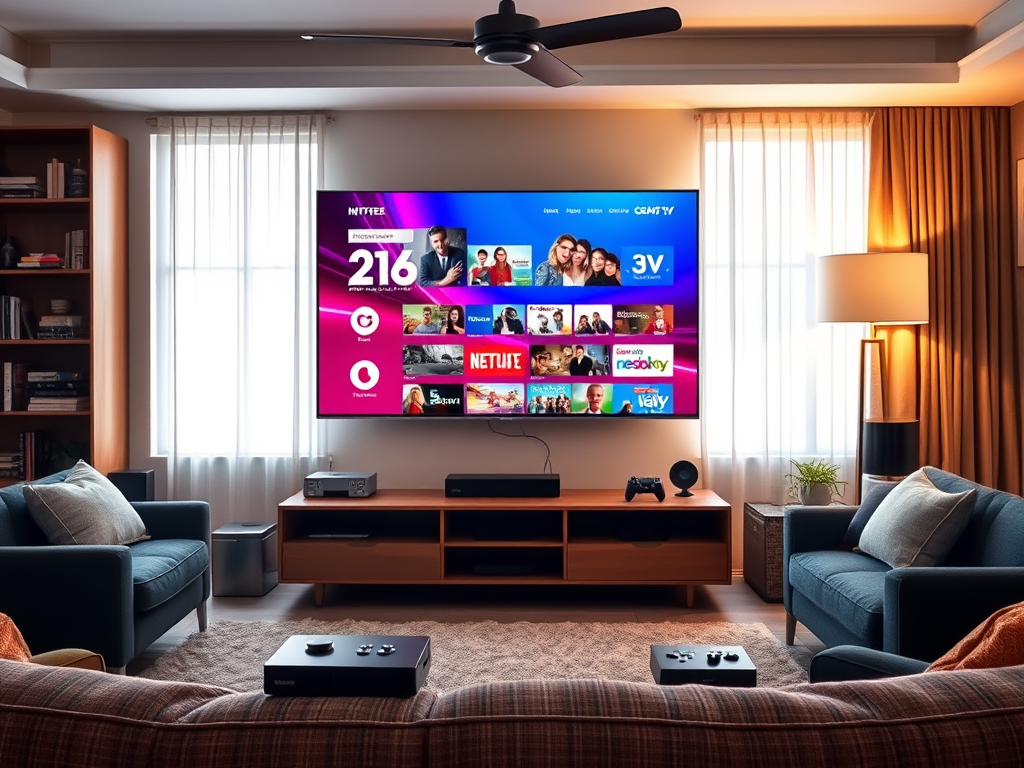
Advertising rarely changes overnight. It shifts screens first. Connected TV, often shortened to CTV, is one of those shifts that feels quiet until it suddenly becomes unavoidable. Over the past few years, TV screens have stopped being passive. They are now connected, logged in, measurable, and programmable. That combination has pulled television directly into the digital advertising economy.
What makes CTV important is not novelty. It is timing. Audiences have already moved. Technology is catching up.
What Connected TV actually is
Connected TV refers to any television screen that is connected to the internet and capable of streaming content. This includes smart TVs, streaming devices, and gaming consoles. When ads appear inside streaming apps on these screens, that inventory is considered CTV advertising.
The key difference from traditional TV is not the screen. It is the data layer. CTV ads are served through digital ad systems, not broadcast schedules. That allows targeting, measurement, and frequency control that traditional television never offered.
CTV sits between two worlds. It looks like television. It behaves like digital.
Why advertisers moved to CTV
The shift toward CTV did not start with advertisers. It started with viewers. Streaming replaced scheduled programming long before brands adjusted budgets. As linear TV audiences fragmented, advertisers were left with a choice: follow attention or protect habit.
CTV offered a bridge. It preserved the high-impact, full-screen experience of television while introducing digital controls advertisers already understood.
Another driver is accountability. Traditional TV relies heavily on estimated reach. CTV operates in logged-in environments where impressions, exposure, and outcomes can be modeled with more precision. That does not mean perfect measurement. It means fewer blind spots.
How CTV advertising actually works
From a technical perspective, CTV ads are bought and sold through programmatic systems or direct platform partnerships. Advertisers define goals, audiences, and budgets. Platforms deliver ads inside streaming content based on those parameters.
Targeting on CTV is typically household-based rather than individual. This reflects how televisions are used. Ads are served based on signals such as location, device type, content context, and aggregated behavior.
Measurement is where CTV becomes complex. Brands track reach, frequency, completion rates, and increasingly outcomes like site visits or sales. However, attribution often relies on probabilistic models rather than direct clicks. This is one reason CTV planning still requires restraint and experience.
Why CTV feels harder than digital video
CTV inherits challenges from both television and digital advertising. From TV, it inherits high expectations around brand safety and creative quality. From digital, it inherits complexity around data, identity, and measurement.
Fragmentation is a real issue. Inventory is spread across many platforms, devices, and operating systems. Standards vary. Reporting is inconsistent. This is why advertisers often talk about CTV as promising but operationally demanding.
The upside is worth it. But it is not simple.
The role of platforms and ecosystems
Major streaming platforms control much of the CTV experience. They set rules around access, data, and reporting. As CTV budgets grow, these platforms are becoming more selective about partnerships and more opinionated about how advertising should function.
This shift mirrors broader AdTech consolidation. CTV is moving away from open experimentation and toward controlled ecosystems. For brands, that means fewer choices but clearer expectations.
Why brands treat CTV differently now
In its early phase, CTV was often treated as an extension of digital video. That approach no longer works. CTV is increasingly planned alongside television, not alongside social or display.
Brands now use CTV for upper-funnel impact, storytelling, and premium association. Performance goals exist, but they are framed differently. The screen demands patience. The environment demands trust.
This is why CTV creative often looks more cinematic than clickable.
What comes next for CTV technology
The next phase of CTV is about standardization and control. Measurement frameworks are tightening. Frequency management is improving. Identity solutions are becoming more privacy-aware.
At the same time, expectations are rising. Advertisers want CTV to behave like television in quality and like digital in accountability. That tension will define the next few years of development.
CTV is no longer asking for patience. It is being asked to perform.
The takeaway
Connected TV is not a future trend. It is a present system still finding its shape. It matters because it sits at the intersection of attention, technology, and culture. Brands that understand CTV as its own medium, rather than a hybrid workaround, are better positioned to use it effectively.
The screen did not change. The rules did.
Sources
- AdAge — https://www.adage.com
- Digiday — https://digiday.com


Leave a Reply