
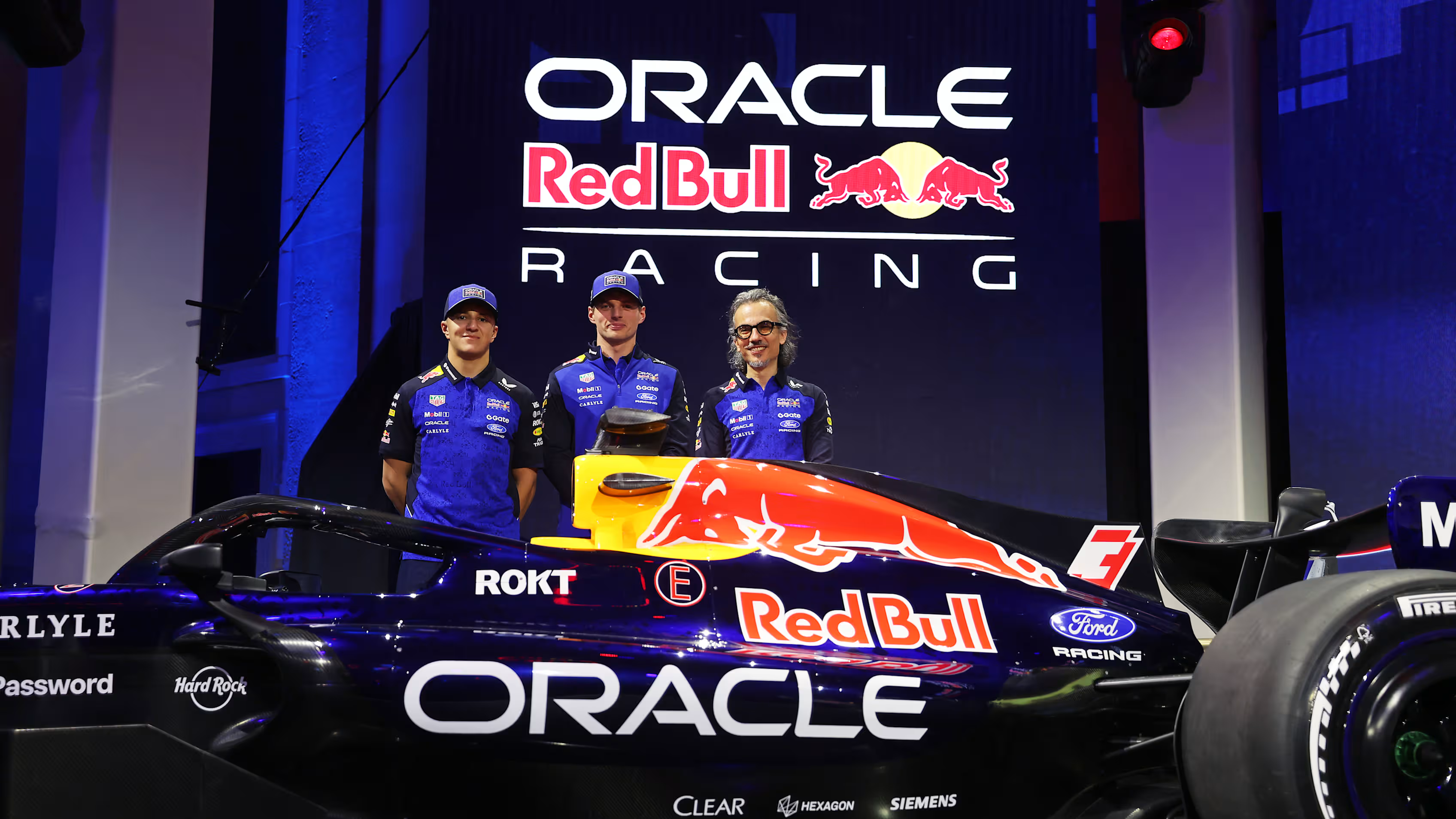
Formula 1 usually sells momentum. The 2026 season is selling direction. Well ahead of the first race, the sport has positioned itself as a future-facing platform where technology, sustainability, and global culture intersect. For marketers, this is not just another calendar year. It is a reset moment, and reset moments create leverage for those who move early.
The signal is subtle but unmistakable. Formula 1 is no longer presenting change as disruption. It is presenting it as design.
A rule change that doubles as a brand narrative
The 2026 technical regulations are framed around efficiency, electrification, and competitive balance. On paper, these are engineering choices. In practice, they function as brand storytelling. The sport is aligning itself with themes that resonate far beyond motorsport: smarter energy use, innovation with purpose, and relevance to modern mobility. This gives partners a narrative that feels contemporary rather than nostalgic. Formula 1 is not asking brands to borrow heritage. It is offering them a future-facing context.
Formula 1 becomes a long-term platform, not a moment buy
What makes 2026 commercially significant is how Formula 1 positions itself over time. The championship now operates as a year-round media system, not a seasonal spectacle. Content, culture, and conversation extend far beyond race weekends. That continuity matters for brands seeking sustained presence rather than episodic spikes. Sponsorship in this environment starts to resemble platform investment more than campaign spend.
Audi enters as a signal, not just a team
Audi’s confirmed arrival in 2026 is one of the clearest marketing signals around the season. This is not framed as a test or a short-term experiment. It is positioned as a strategic entry aligned with the sport’s future direction. From a branding perspective, that matters. When a premium manufacturer commits at this level, it reduces perceived risk for the entire ecosystem. Other partners are no longer betting on uncertainty. They are aligning with momentum.
Teams start acting like brands first, competitors second
Another quiet shift is happening at team level. With performance expectations effectively resetting under new regulations, teams are investing more aggressively in identity, design, storytelling, and fan relationships. Competitive results will fluctuate. Brand equity does not have to. For sponsors, this creates more stable value. Association is no longer tied exclusively to podiums. It is tied to narrative, aesthetics, and cultural presence.
Fashion, culture, and lifestyle move closer to the paddock
Formula 1’s expansion into fashion, luxury, and lifestyle is no longer experimental. It is integrated. The paddock, once a closed technical space, now functions as a cultural stage. This evolution broadens the audience and reframes who Formula 1 is for. Brands outside traditional automotive categories are not entering as outsiders anymore. They are entering as contributors to the overall experience.
This evolution is also visible in the growing network of brand collaborations shaping the paddock today. From luxury watchmakers to global apparel companies, partnerships increasingly define how teams present themselves to global audiences. We recently mapped these relationships in our breakdown of who partners with whom in Formula1, and explored the broader cultural shift in our analysis of why Formula 1 has quietly become one of the most style-defining sports in the world.
Why brands are moving early
What makes the 2026 season feel like a marketing inflection point is timing. Brands are committing well before competitive outcomes are known. That early movement is strategic. It secures category positioning, creative influence, and narrative ownership while the story is still being shaped. Once the season approaches, leverage shifts decisively to the sport. Early partners buy proximity to the future. Late partners buy exposure.
The takeaway
Formula 1’s 2026 season is not being sold as a spectacle. It is being built as a system. New regulations provide credibility, new entrants provide momentum, and a global audience provides scale. For marketers, the opportunity is not about being seen on the grid. It is about being aligned with a version of the sport that is deliberately designed for what comes next. In that sense, 2026 is less a season than a statement.
Sources
- Formula 1 Official Website — https://www.formula1.com


Leave a Reply